Introduction:
In today’s interconnected world, businesses face an ever-growing number of cyber threats. From malware to ransomware, the risk of a security breach is higher than ever, making endpoint security a critical component of any organization’s defense strategy. But what exactly is endpoint security, and why is it so essential? In this post, we’ll explore the importance of protecting your business’s endpoints and how it can safeguard your digital assets.
The Growing Threat Landscape:
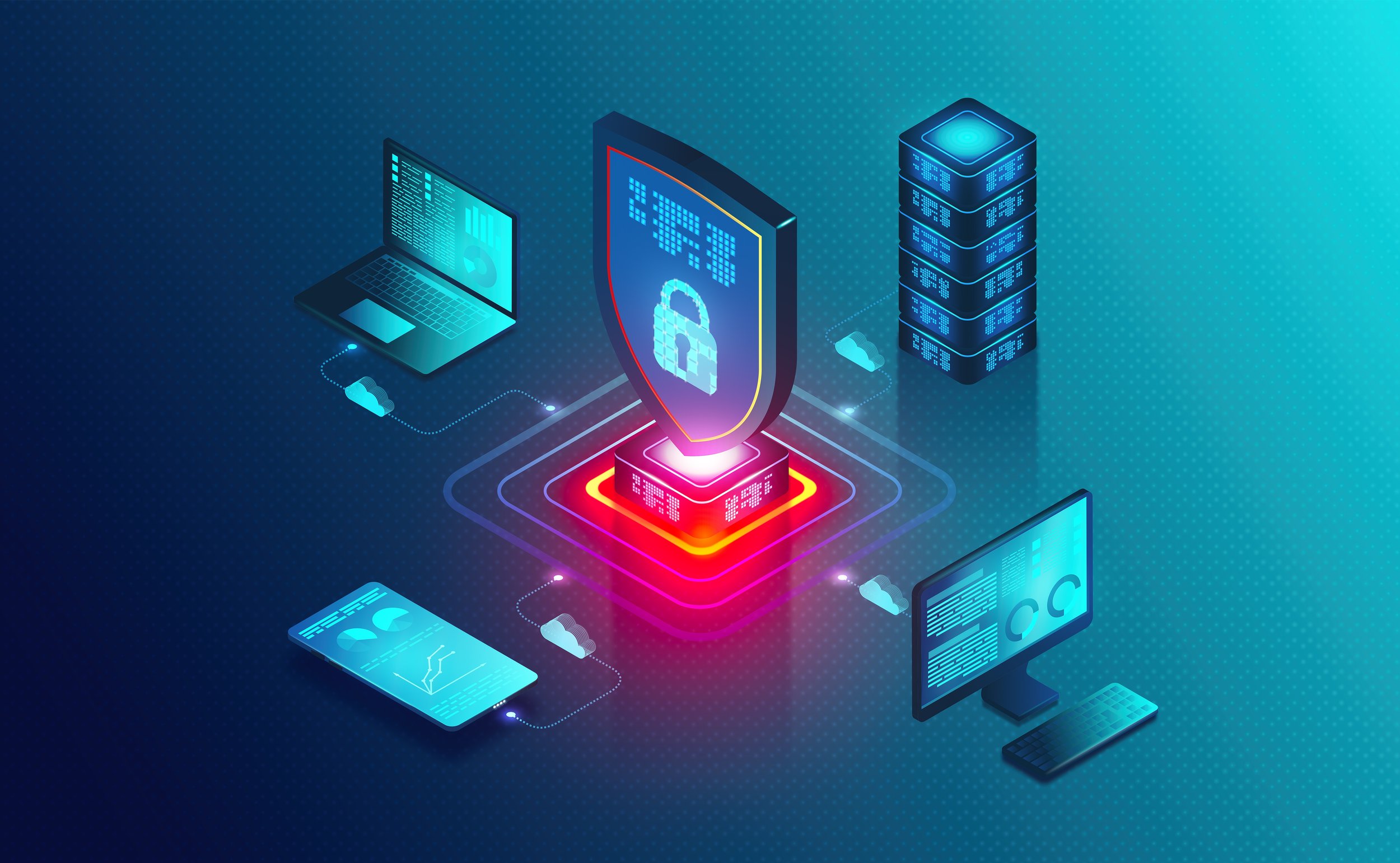
With cyberattacks becoming more frequent and sophisticated, the need for robust security solutions has never been greater. According to recent reports, ransomware attacks have surged, targeting businesses of all sizes and industries. Hackers are constantly evolving their methods, looking for vulnerabilities in devices like laptops, smartphones, and servers—known as endpoints—that connect to a business network. Without proper protection, these endpoints can serve as entry points for cybercriminals.
What is Endpoint Security?
Endpoint security refers to the practice of securing devices that connect to your business network. It includes protecting each endpoint from threats and ensuring that sensitive data remains safe. Endpoint security solutions typically use a combination of antivirus software, firewalls, encryption, and advanced threat detection to monitor and block potential cyber threats before they can cause harm.
Why Endpoint Security is Essential:
- Protects Sensitive Data: With more data being stored and accessed on endpoints, protecting this information is crucial to prevent breaches that can lead to data loss or theft.
- Maintains Business Continuity: A successful cyberattack can disrupt business operations, leading to downtime and loss of revenue. Endpoint security helps ensure that your systems stay up and running.
- Ensures Compliance: Many industries have strict data protection regulations. Effective endpoint security can help your organization meet compliance requirements and avoid hefty fines.
Best Practices for Implementing Endpoint Security:
- Keep Software Updated: Regular updates ensure that your security software is equipped to handle the latest threats.
- Employee Training: Educating employees on security best practices can prevent phishing attacks and other user-targeted threats.
- Invest in Advanced Solutions: Tools like antivirus, EDR (Endpoint Detection and Response), and AI-driven threat detection can significantly enhance your security posture.
Conclusion:
In a rapidly evolving threat landscape, endpoint security is not just an option—it’s a necessity. By securing the devices that connect to your network, you can protect your business from potential threats and maintain the trust of your clients and partners. Take the first step towards a more secure digital future by evaluating your current endpoint security strategy today.